




Classroom Research

Loading...
Loading...
Loading...
Loading...
Loading...
Loading...
Where?

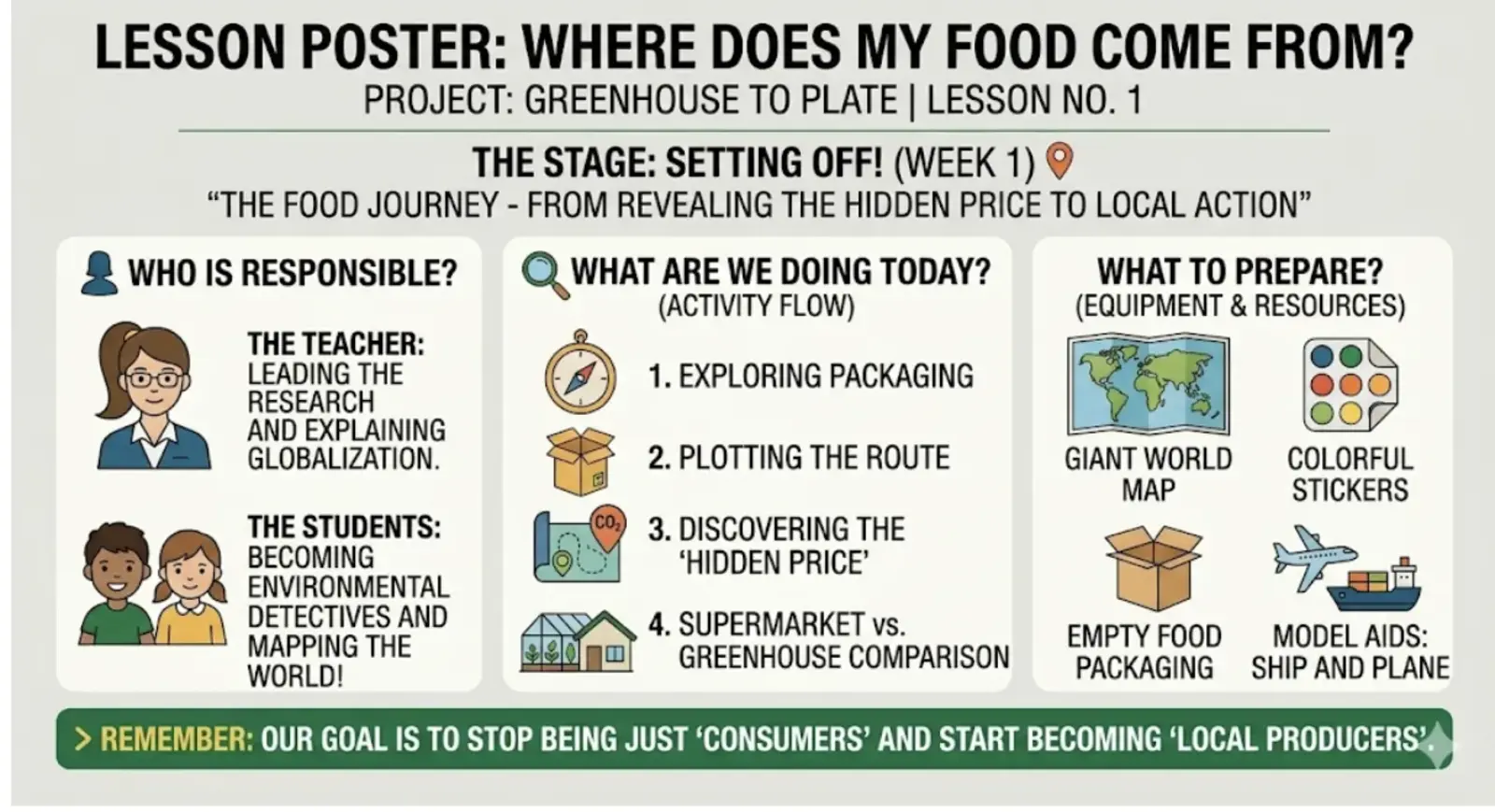
This is the theoretical starting point of our project. In the classroom, students learn about globalization and the food industry. They bring empty food packages from home and use a large world map with stickers to trace where each product came from. By checking the labels, they discover the hidden environmental costs of global shipping, such as air and sea pollution. This research phase prepares them for the practical step of building a local greenhouse.
report a problem

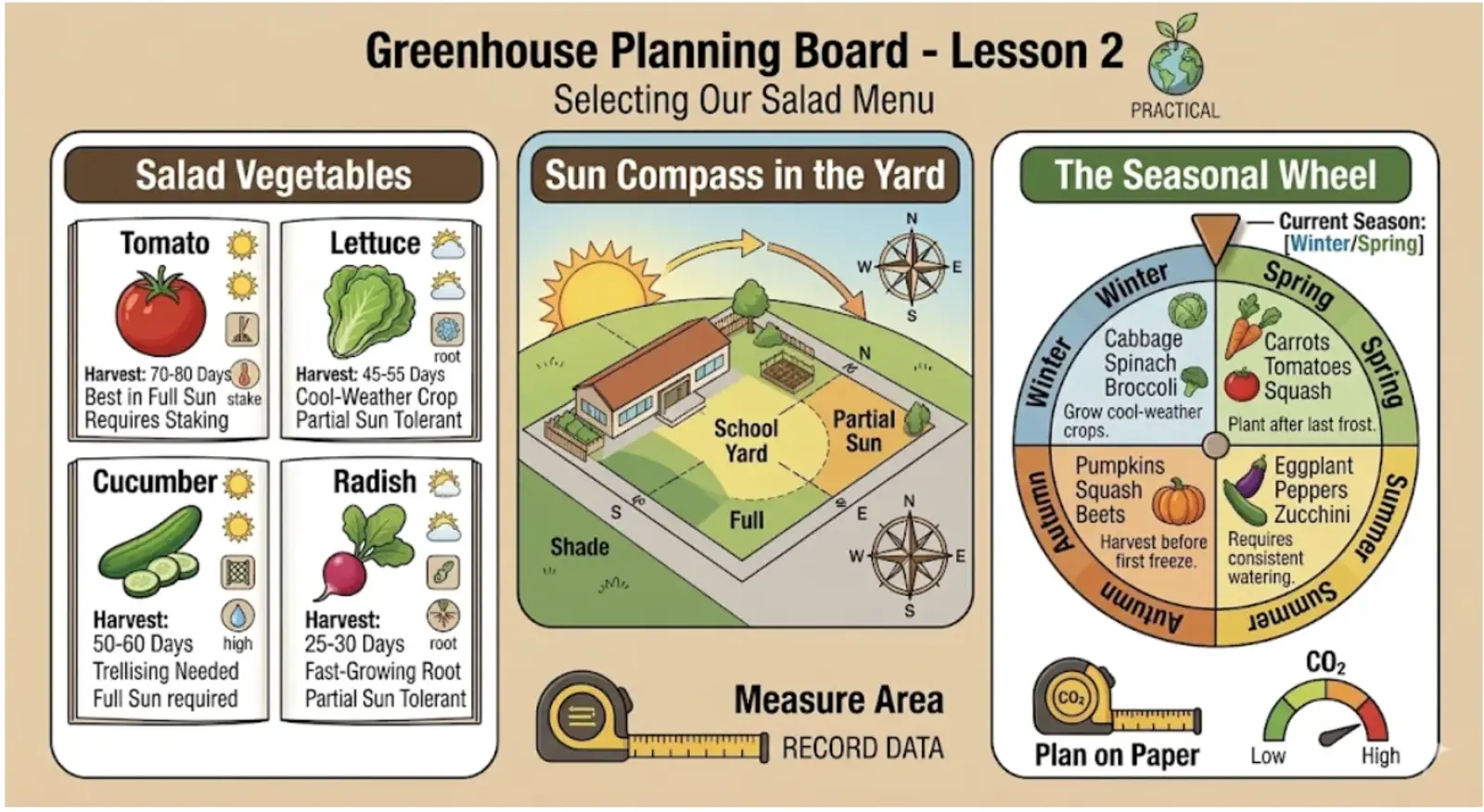
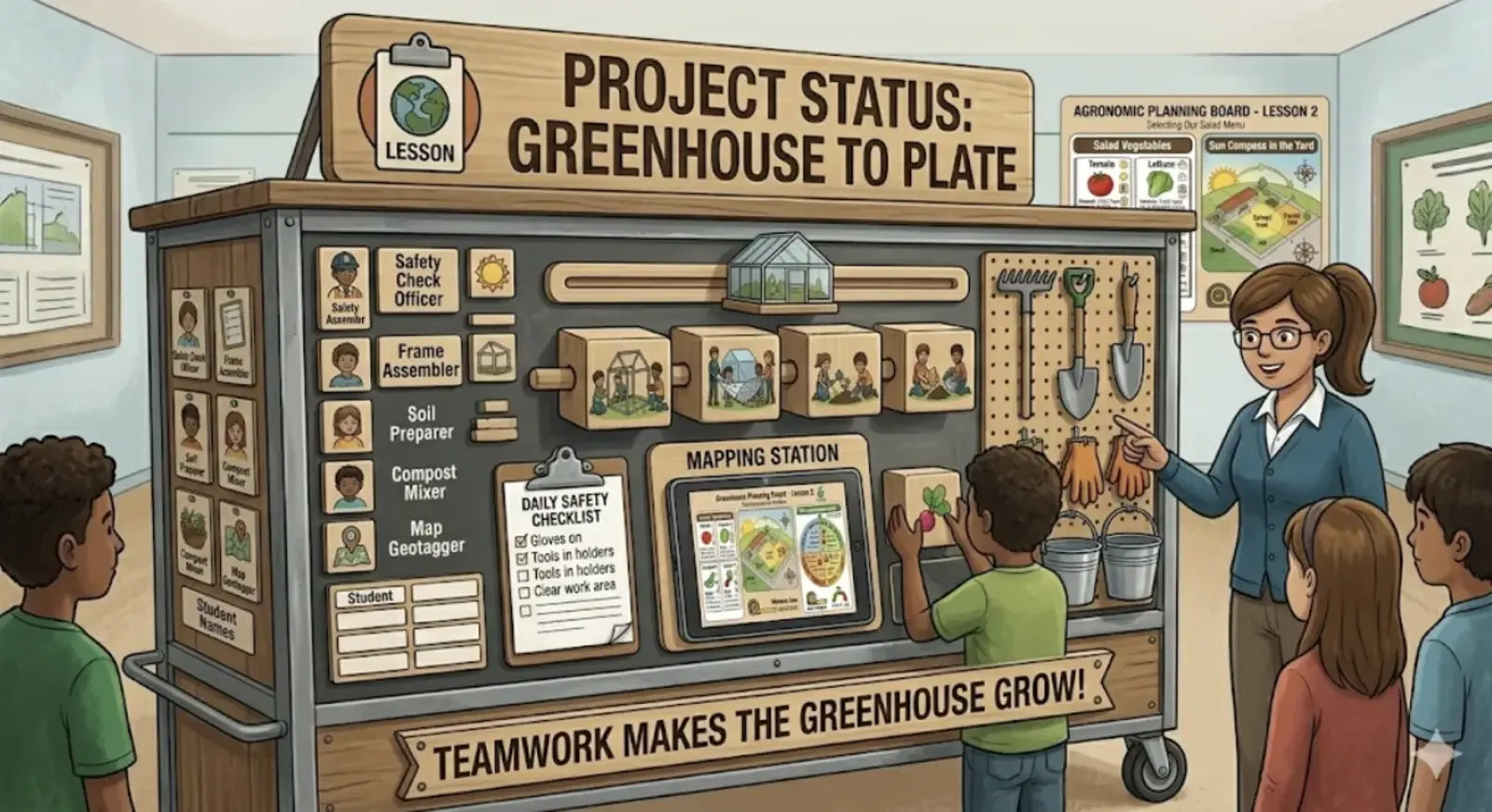
This map outlines the initiative of the "Global Citizenship Education" team, designed to transition our school community from passive, polluting consumption to active, local environmental responsibility. Our core intervention is the establishment of an educational greenhouse on school grounds to demonstrate independent, sustainable food production. The global food system creates economic dependence and exacerbates climate change through the air and sea pollution caused by international transport. By growing our own produce, we aim to expose the "invisible price" of our food, reduce our carbon footprint, and promote smart consumption. This project serves as a practical, hands-on learning environment where students investigate how shifting to local agriculture can offer a sustainable solution for both the community and the planet.

[16, 6, 1, 6]
[]
[]
[]
[]
[]
[]
[]
[]
[10, 6]
[10, 10]
[10, 20]
[10, 30]
[]
[]
[]
[]
[]
[]
[]
[]
[]
[]
[]
[]
[]
[]
[]
[]