Greater Victoria/Saanich Peninsula Pollinator Map

Where are the natural areas and gardens that support pollinators in this region?

Pollinators, like bees, butterflies, wasps, moths, beetles, birds, and bats enable the fruit to set in our gardens. About one out of every three bites of food exists because of their work. One native pollinator, like a leaf-cutter bee, can do the work of 20 non-native bees. Many populations of native bees (and honey bees) are declining precipitously because of parasites, habitat loss, insecticides, and climate change.

Why participate in this project? 

1. Development and urbanization in the CRD: community mapping efforts, such as this one, can inform local government on the locations of (or lack thereof) of pollinator corridors and connected habitats in your neighbourhoods during the proposal of development projects in your neighbourhood. 

2. Create opportunity for community-building: get to know the ins and outs of your neighbourhood by contributing to and exploring plotted pollinator locations on the Pollinator Map. Attend events and get together with neighbours and friends to submit pollinator locations.

3. Practice your species identification and learn about biodiversity in your backyard and nearby parks -- take time to connect with nature by becoming familiar with local plants, trees, and pollinators by participating in this initiative. 

Help us map pollinator habitat (and places where habitat would be helpful) and pollinator species you see in the CRD! 

See the campaigns 'Quadra Cedar Hill Mapping Project' or 'Gorge-Tillicum Pollinator Map' to add a pollinator site to the map. 

Learn more in an article on pollinator mapping in Focus on Victoria  by Maleea Acker
Significant Habitat

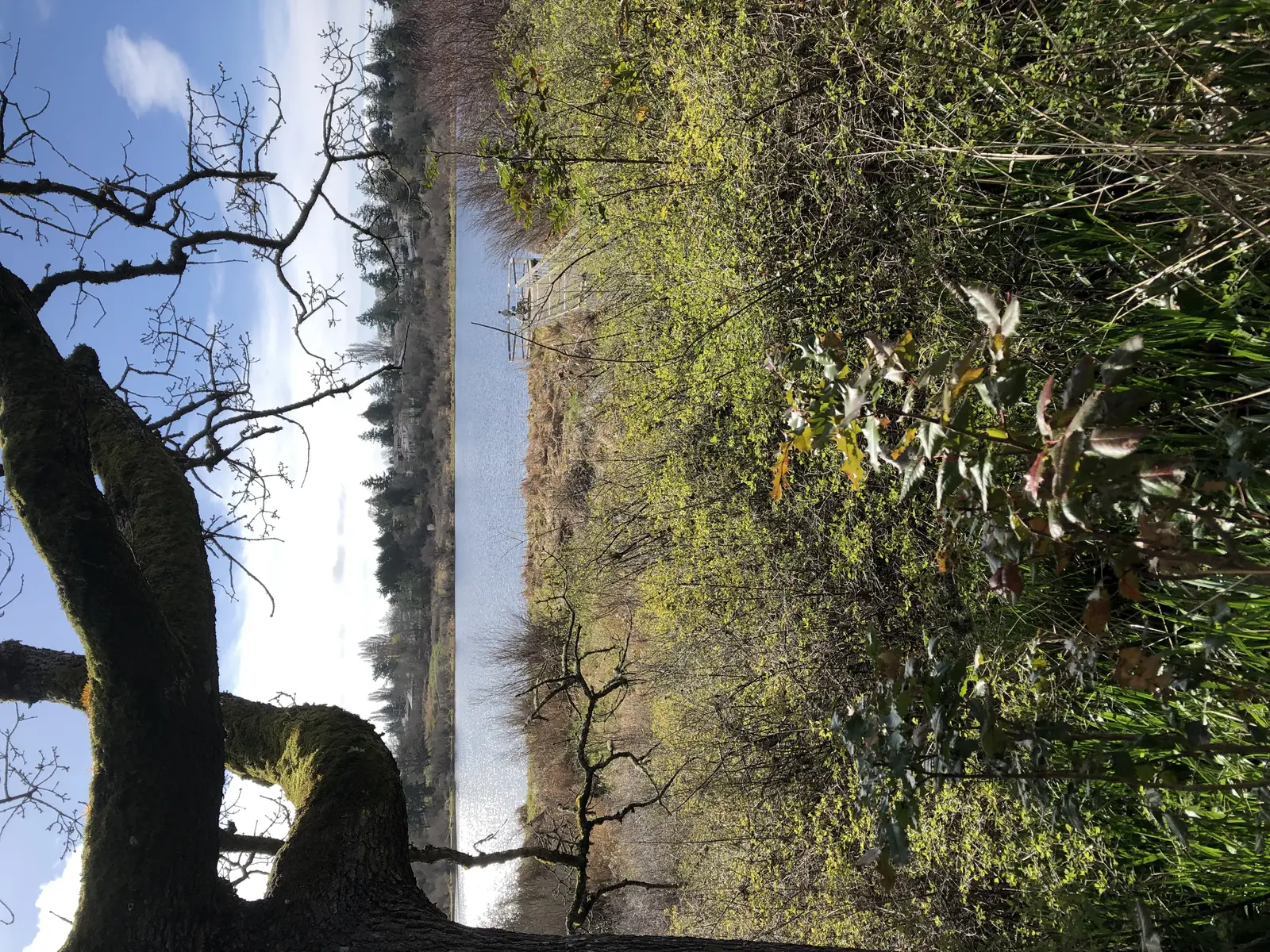
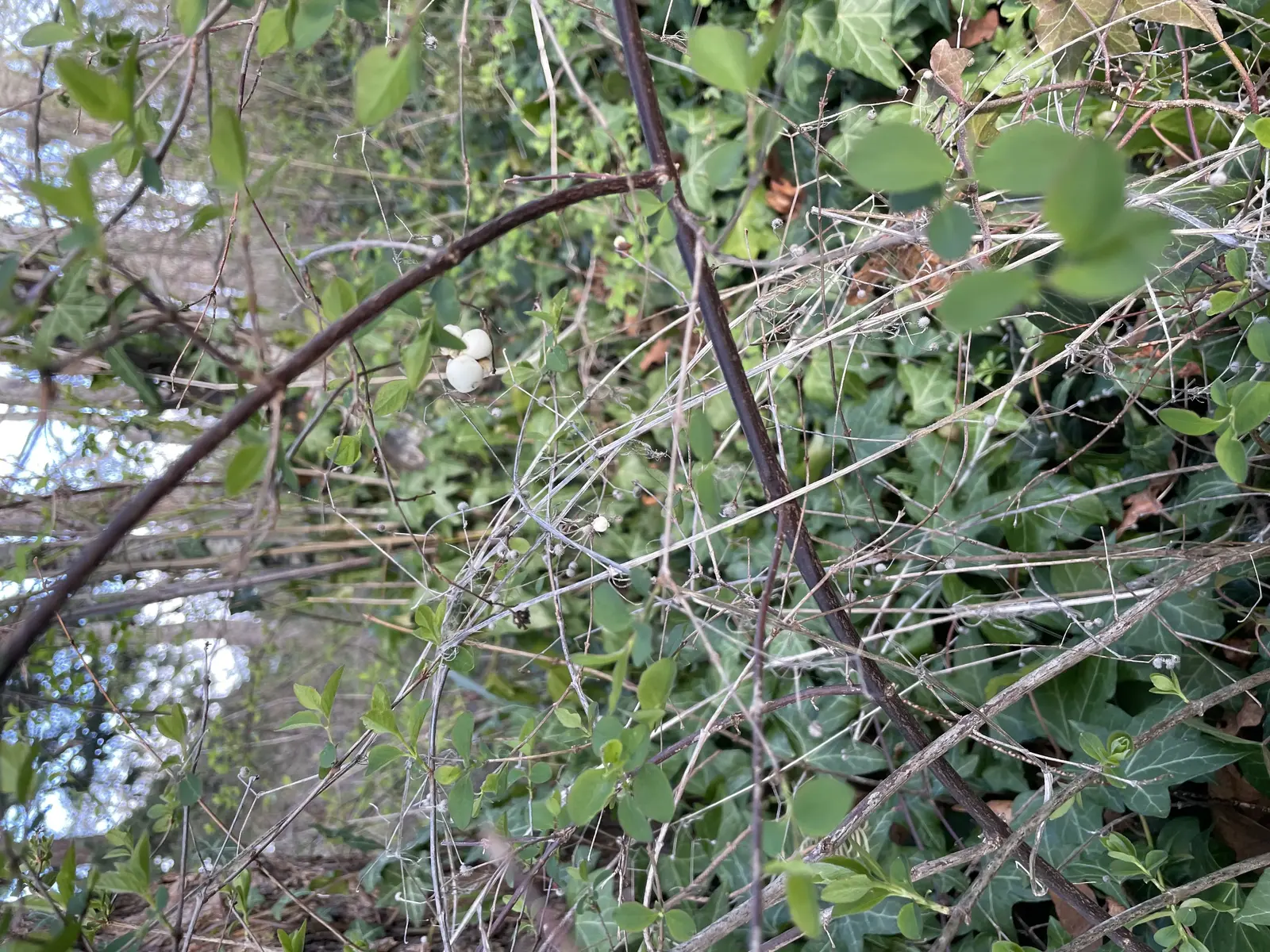
Snowberry, Oregon grape, Woolly Sunflower Hazelnut trees, evergreens. Garry Oak next lot.

Native Forest or Plants
Significant Habitat

Native Forest or Plants
Significant Habitat

Beach pea plants

Native Forest or Plants

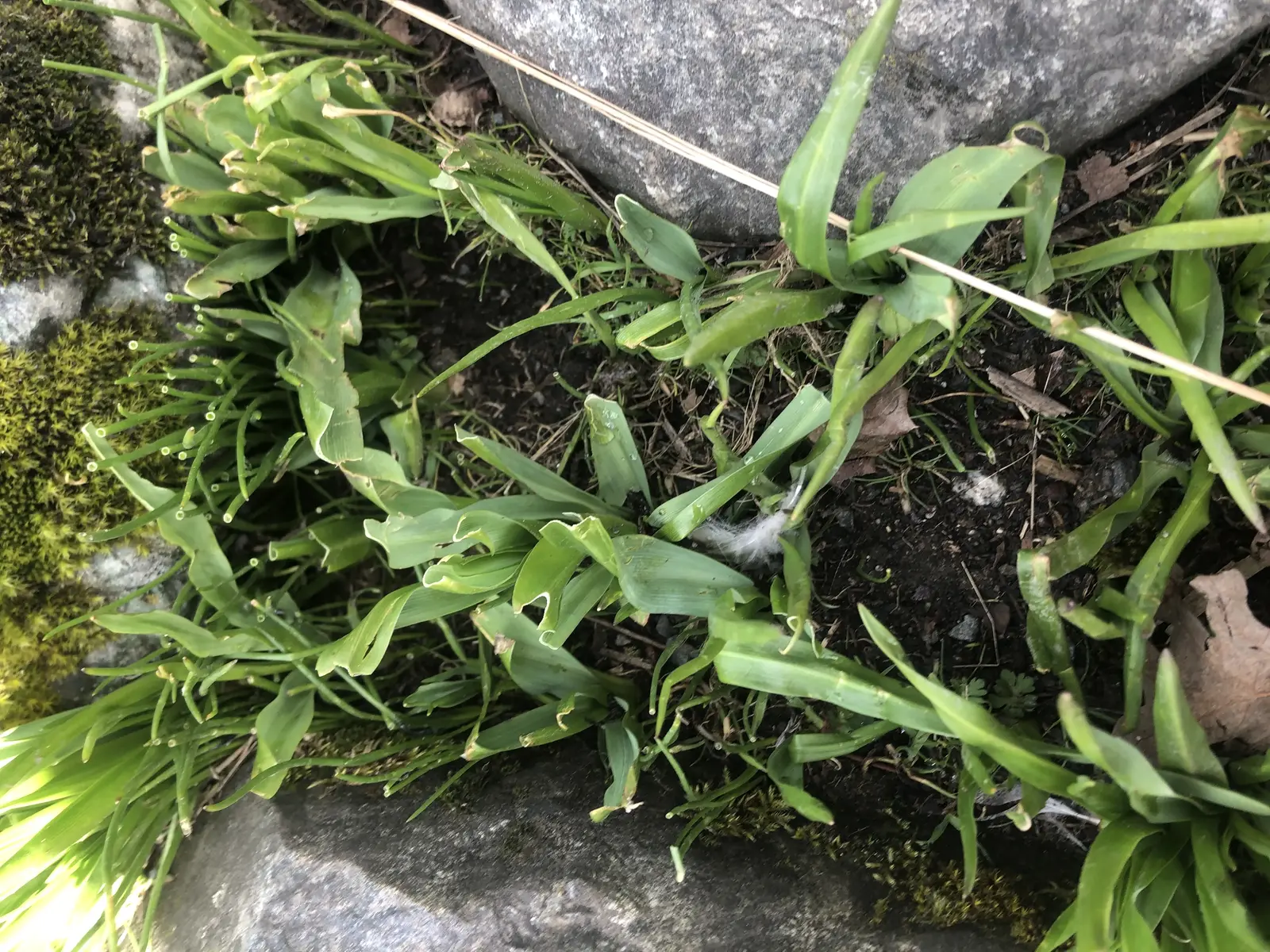
Camas

Food Gathering Site
Insect Watching Site

spinach, green onions, radishes,

image for D49EA615-C810-464D-BA01-36BBEA878A7A
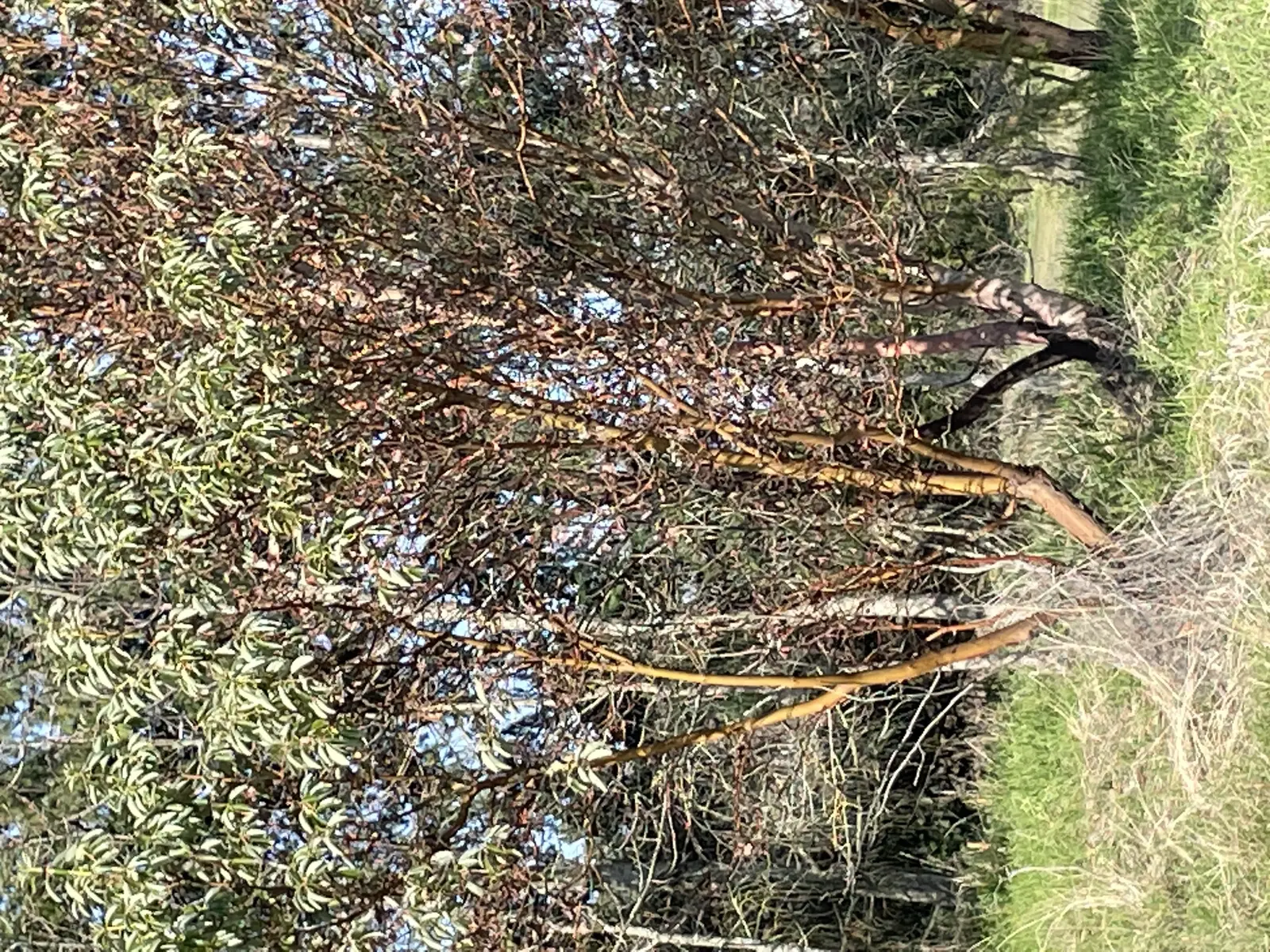
Arbutus patch
Special Tree
Native Forest or Plants

Arbutus trees

Insect Watching Site
Significant Habitat

Best pollinator area
Insect Watching Site
Significant Habitat
Garden
Food Gathering Site

best pollinator area, Food and pollinator plants, buzzing with insects

Blenkinsop Bog
Significant Habitat
Wetlands
Duck Pond
Bird and Wildlife Watching

Birds buttetflies

Native Forest or Plants
Significant Habitat

Front yard of Garry Oak meadow species.

Native Forest or Plants
Garden
Insect Watching Site

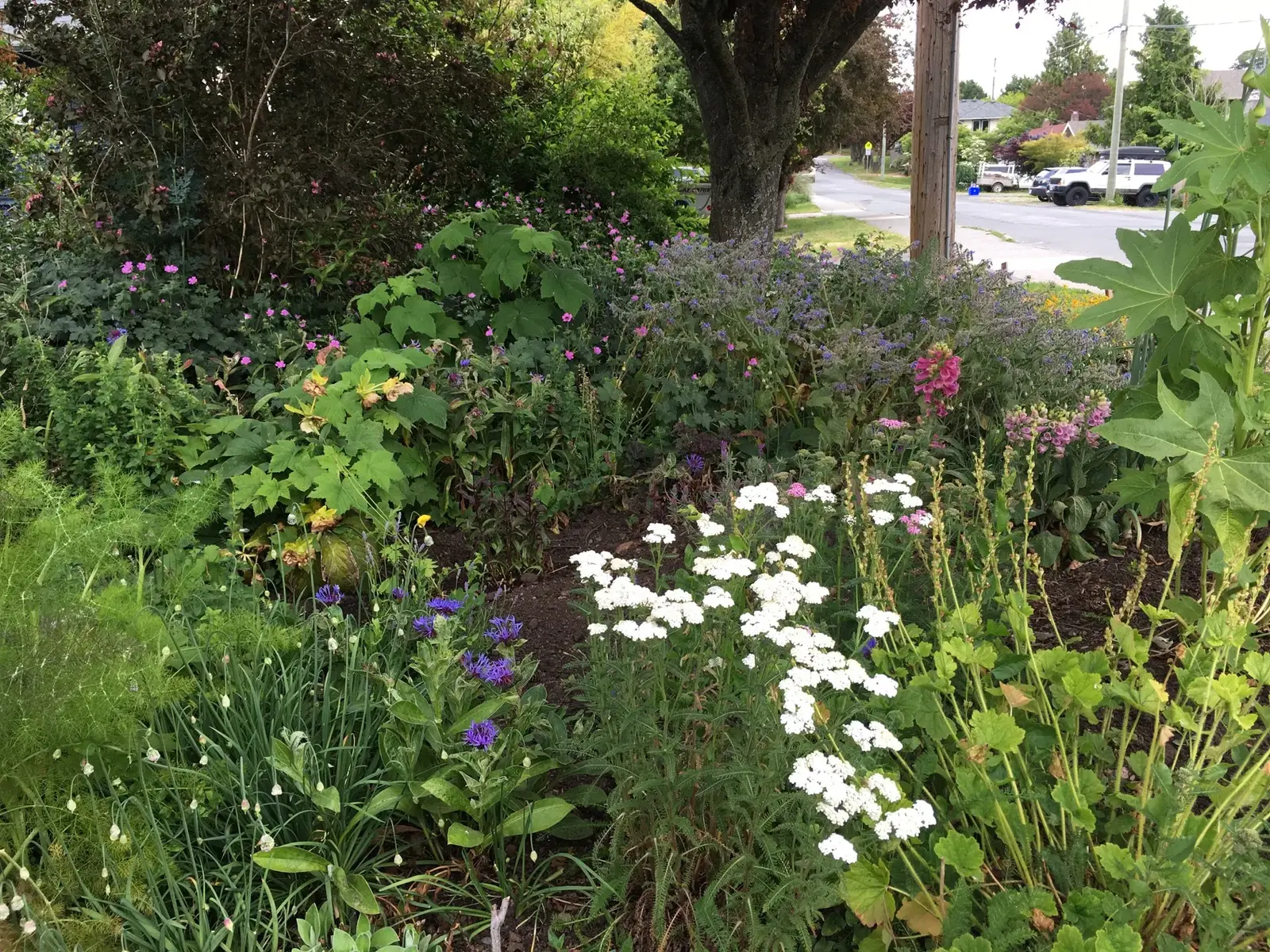
Lots of plants for pollinators throughout the yard to build habitat and biodiveresity. Leave things as much as possible in the Fall and over the Winter so birds can feed and the insects that laid their eggs on plant matter or in the soil can rest undisturbed and emerge in the Spring. Yarrow, lavendar, ocean spray, rosemary, coast penstemon, cape fushia, brassicas left to flower. Lots of native bees, hummingbirds, and other insects. Looking forward to learning more about who they are and their needs! * Updated in Fall 2022 front planted as a shady native plant garden - sticky cinquefoil, small flowered alumroot, wild strawberry, lady fern, pacific bleeding-heart, red columbine, yarrow, fringe cup, and sea blush. 

Boulevard gardens
Garden

Boulevard gardens

Cadboro Bay
Native Forest or Plants
Significant Habitat

image for 30E53B57-FEEA-40F0-B372-D8E6E7E007F7
California lilac
Spring Blossoms
Insect Watching Site

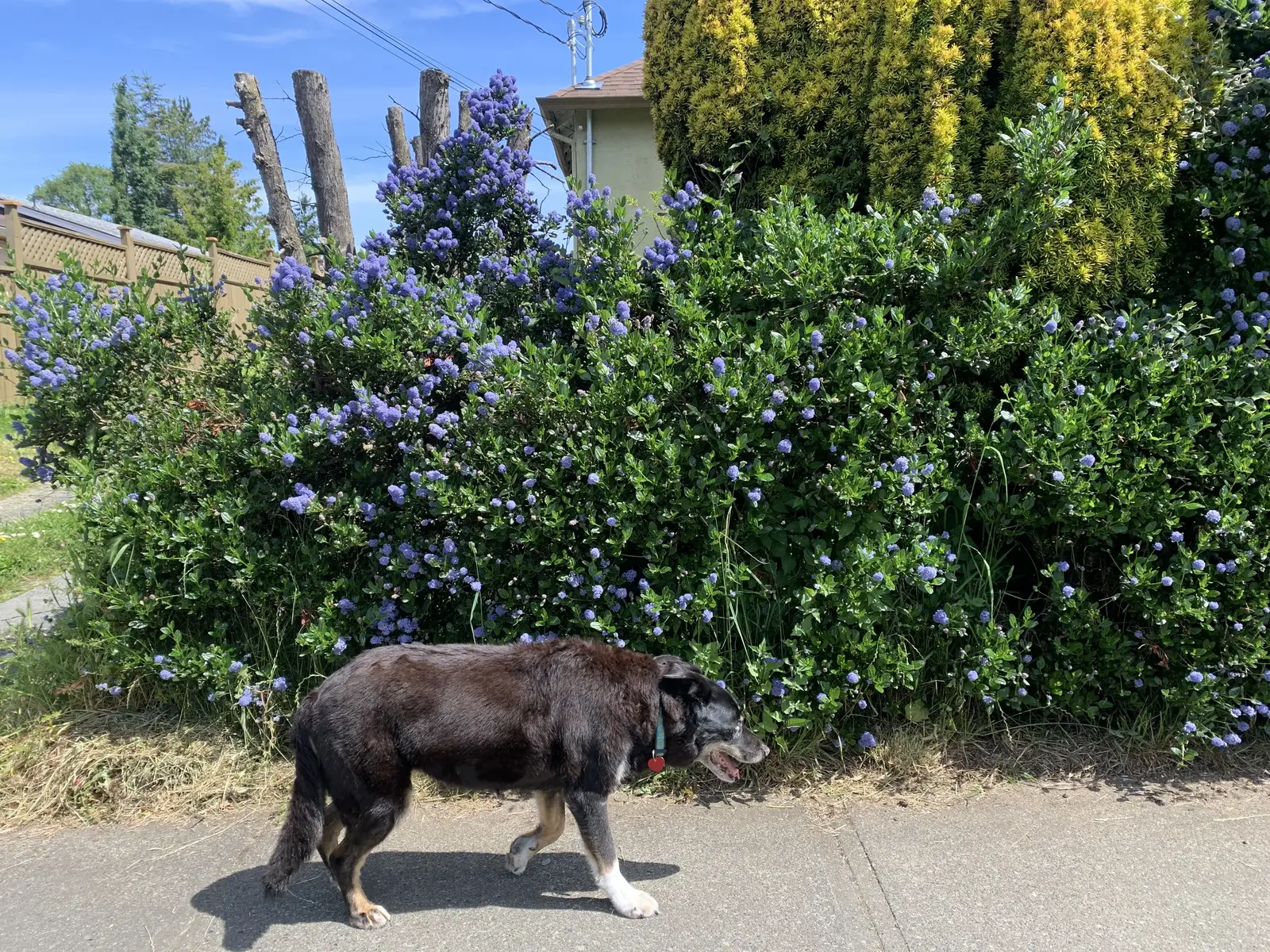
Drought resistant shrub, dense with blossoms in spring that bees and other pollinators love!

image for B1EFC2DB-C74E-43DA-99E1-C8D8E9B34E7D
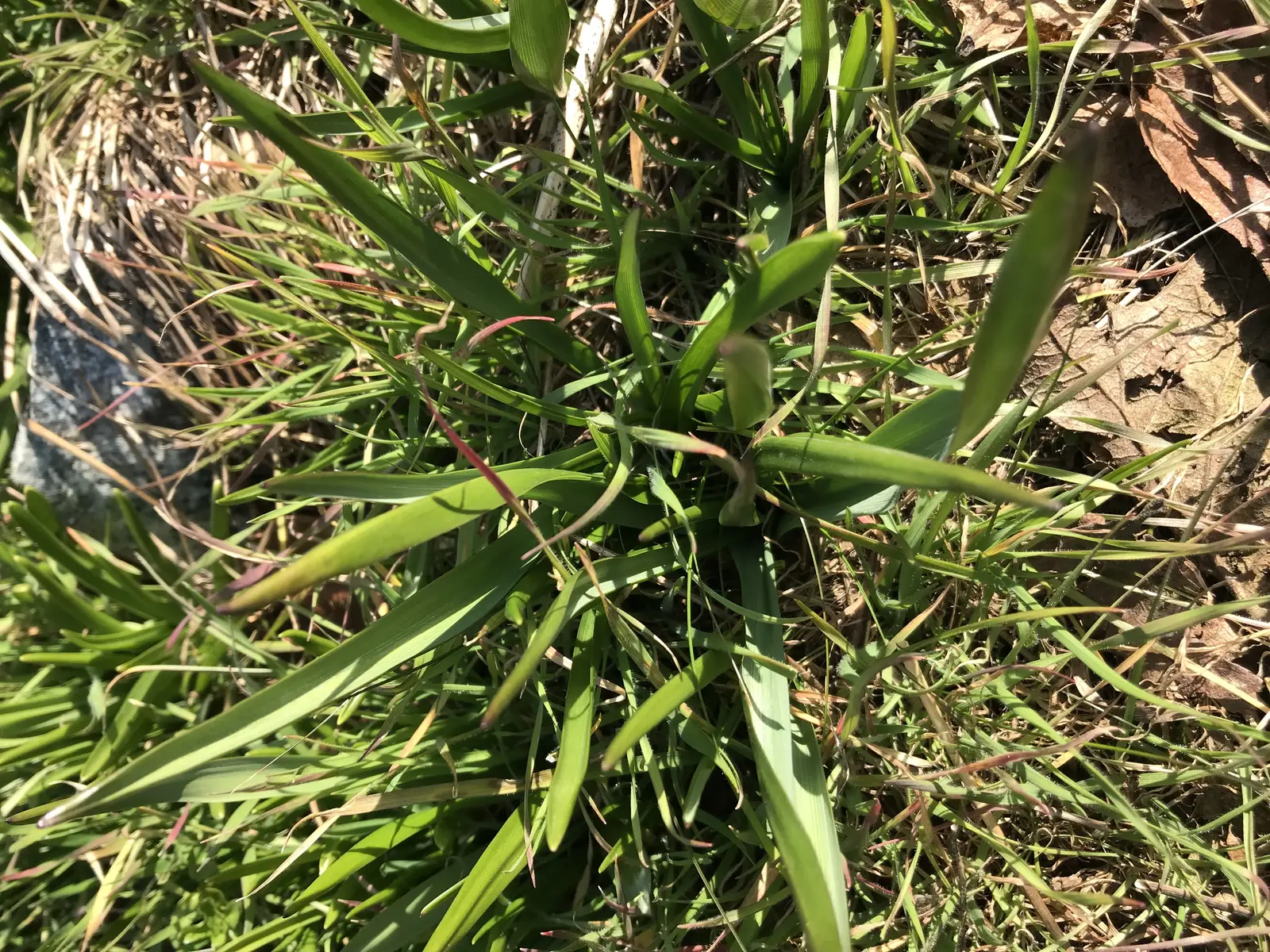
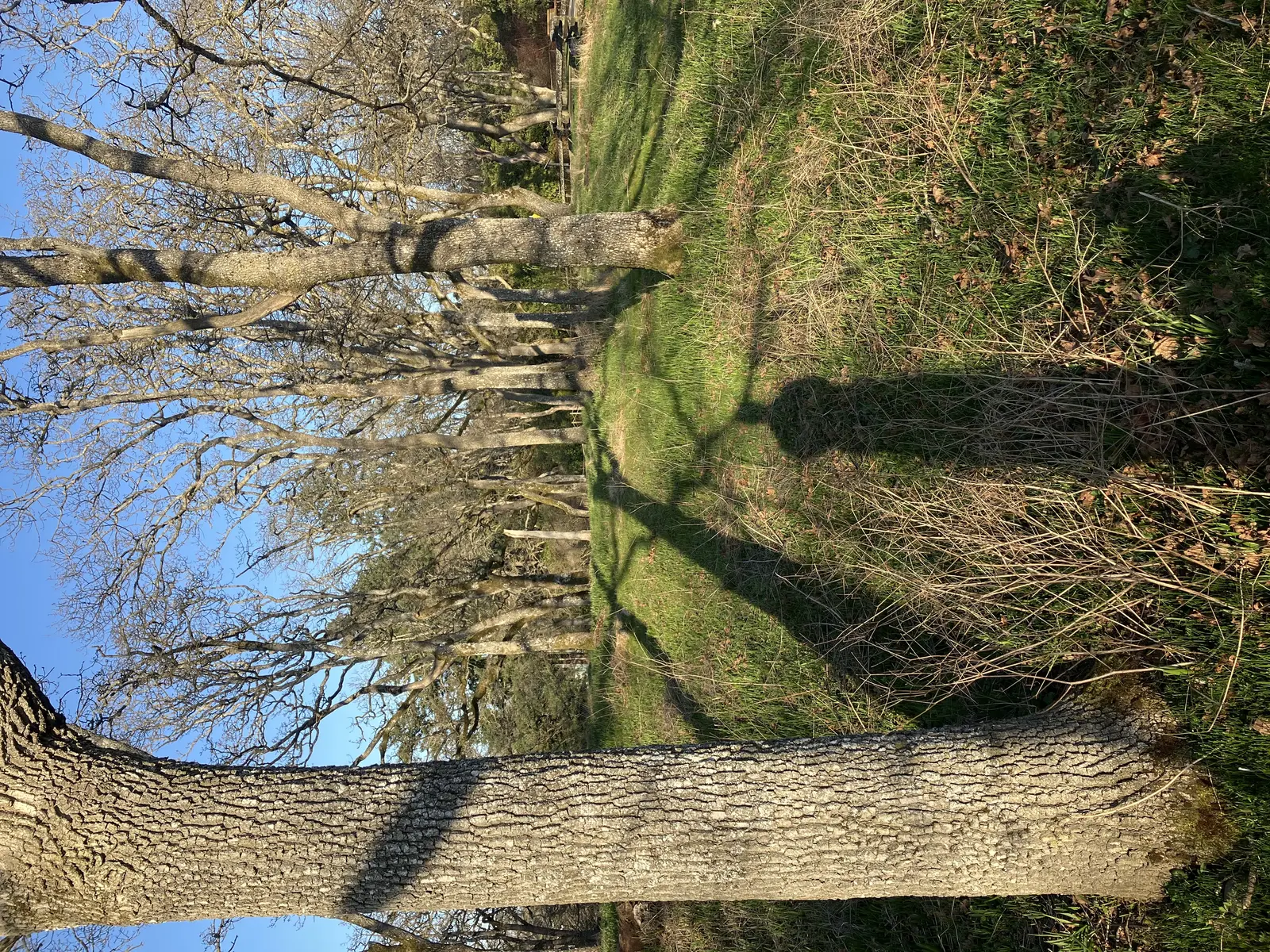
Camas Gary Oak meadow
Native Forest or Plants
Protected or Cultivated Habitat
Public Forest or Natural Area

Managed Gary Oak meadow in Playfair Park

image for 0E8BA581-1FDF-491C-8F36-651917E65C7B
Camas Plants
Native Forest or Plants

image for 29C0FB3D-8A61-48DA-AA8E-357EA453CF1F
Camas plants
Significant Habitat
Native Forest or Plants

Native Forest or Plants
Public Forest or Natural Area
Bird and Wildlife Watching

Douglas fir Oregon grape Bewicks wren

Future Redevelopment Space

Identified as area that needs improvement. Lots of grass, frequented by birds, yet has no flowers.

Cedar Hill Golf course
Native Forest or Plants

June Plum

Eco Design or Planning Feature
Eco Landscaping
Native Forest or Plants
Park or Recreation Area
Significant Habitat

Restoration efforts resulted in removal of invasive Scotch broom and planting of snowberries. Proposed expansion of Garry Oak meadow.

Eco Design or Planning Feature
Eco Landscaping
Native Forest or Plants

Hole 7 restoration replaced lilies with camas.

Spring Blossoms
Native Forest or Plants
Significant Habitat
Cleaned-up or Rebuilt Site

Native plants and Golf Course landscaping.

Significant Habitat

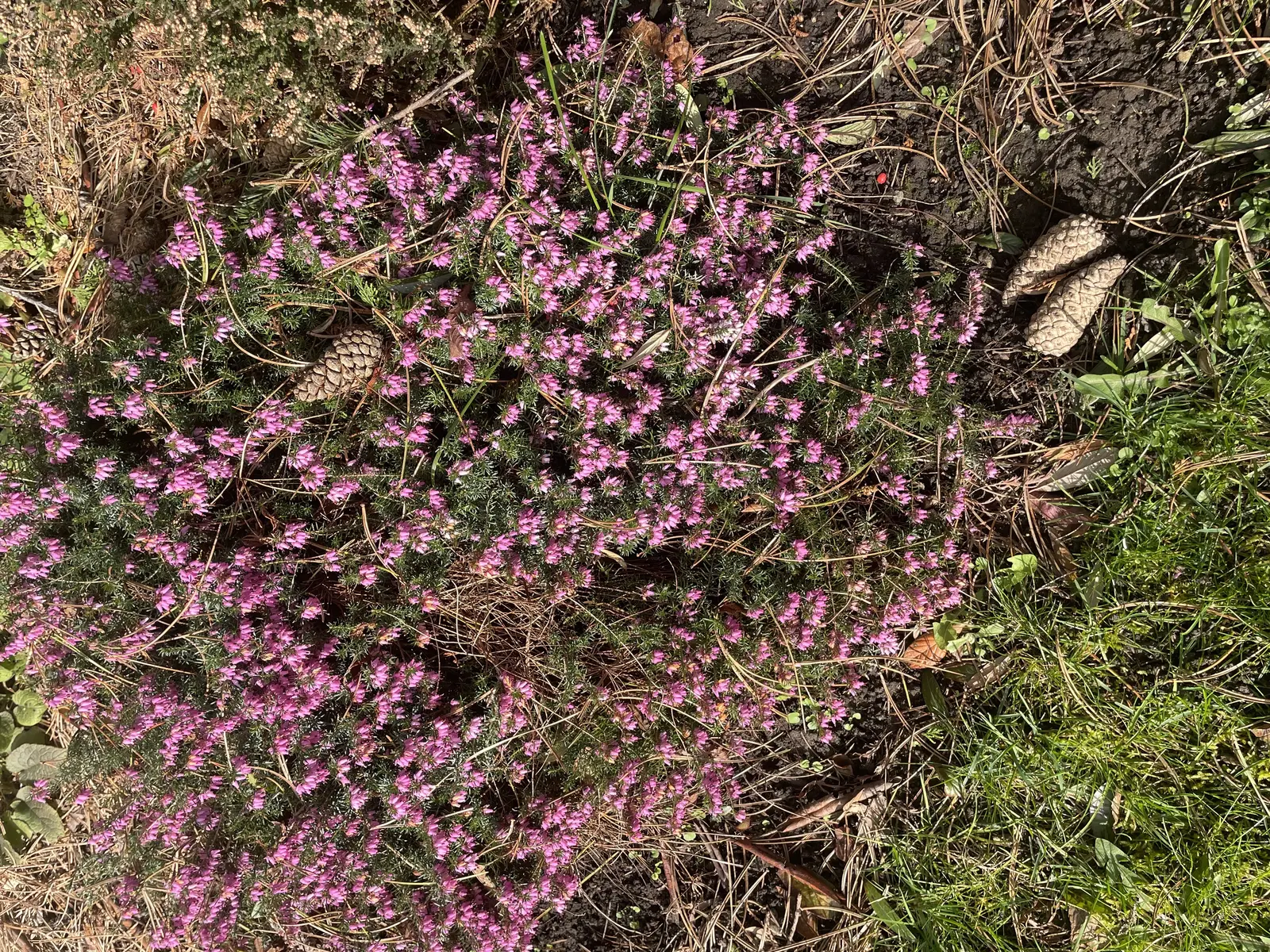
Scotch Heather - introduced non native pollinator

- 00:00/00:00
- 00:00/00:00
[16, 6, 1, 6]
[]
[]
[]
[]
[]
[]
[]
[]
[10, 6]
[10, 10]
[10, 20]
[10, 30]
[]
[]
[]
[]
[]
[]
[]
[]
[]
[]
[]
[]
[]
[]
[]
[]